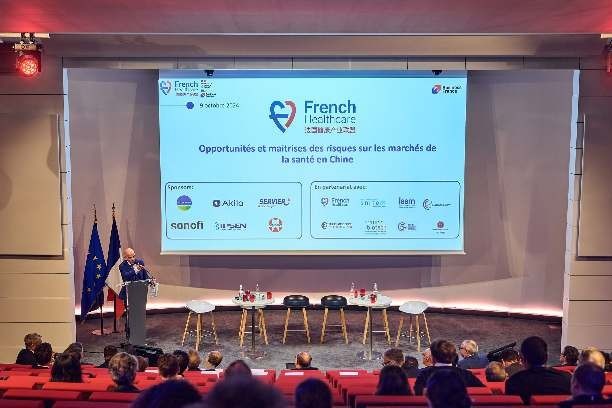



Opportunities and risks in China's healthcare markets.

Sponsors

Partners
Executive summary
At the event organized by the Club Santé Chine, it was emphasized that China represents an essential market for French companies in the healthcare sector, offering both substantial growth opportunities and major challenges. The conclusions of the round tables highlighted the need to adopt a strategic and balanced approach, combining ambition and caution in the face of geopolitical and economic risks. To succeed, it is essential to understand local realities, adapt to market developments and work closely with the authorities. By combining localization, innovation and strategic choice of partners, companies can capitalize on China's potential while protecting their own interests.
Introduction
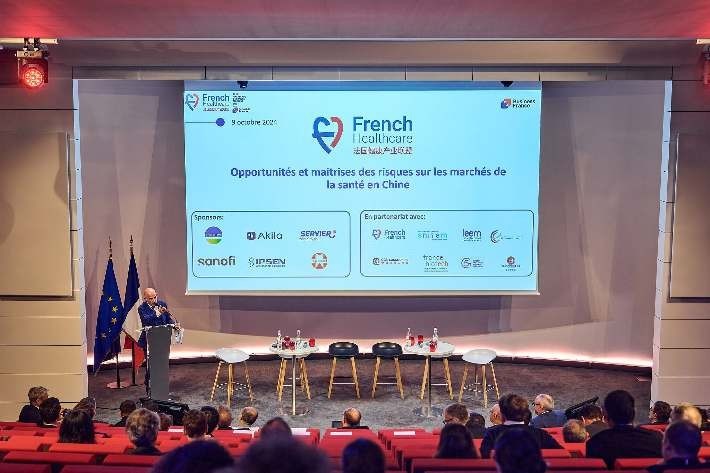
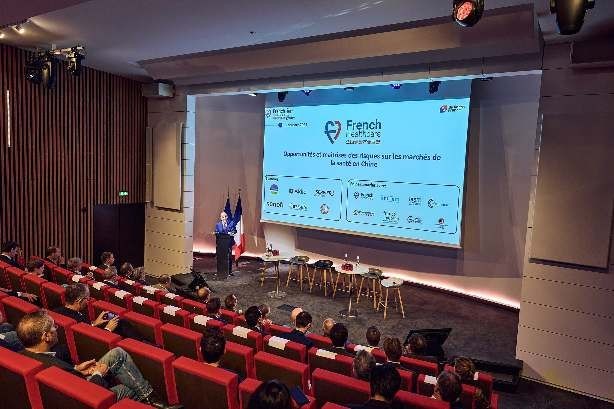
The conference organized by the French Healthcare Alliance China on October 9, 2024 in Paris brought together opinion leaders, experts and business executives to discuss the de s and opportunities in China's healthcare markets. Entitled "Opportunities and risk management in China's healthcare markets", the conference addressed crucial topics relating to the future of French companies in China, managing risk levels and lessons learned from business experiences in this complex country. Discussions were structured around three round tables, each focusing on a different aspect of China's business environment. Discussions highlighted strategies for successfully navigating this highly competitive and regulated market, offering varied perspectives on how companies can adapt and prosper despite uncertainties. The conference served as a platform for sharing knowledge, experiences and recommendations, aimed at strengthening the position of French companies in the Chinese market while exploring new avenues for cooperation and innovation in the healthcare field. The opening session featured speeches by Didier Boulogne, Deputy Managing Director for Export at Business France, Benoît Guidée, Director for Asia and Oceania at the French Ministry of Europe and Foreign Affairs, Pierre Boulud, Chief Executive Officer of bioMérieux, and Olivier Dessajan, CoChairman of Club Santé Chine/FHA China. Here is a summary of their speeches:

Didier Boulogne Executive Vice President, Export, Business France
- Business France :
- Operator for the internationalization of the French economy.
- Objectives: increase the number of exporters to 200,000 and maintain France as Europe's leading destination for foreign investment.
- Accompanying 600 French healthcare companies in their international expansion, recognizing the strategic importance of the Chinese market despite the challenges.
- Conference and Collaboration :
- Aims to enlighten companies on the Chinese healthcare market and provide them with practical tools.
- Salutes the dynamism of the Club Santé France-Chine, underlining the value of this collaboration for French companies.

Benoît Guidée, Director of Asia and Oceania, Ministry of Europe and Foreign Affairs
- Opportunities and Challenges in China :
- China is moving towards development focused on the environment, health and innovation, creating opportunities aligned with French strengths.
- Risks: Chinese economic slowdown and growing geopolitical tensions, particularly with the United States, impacting international relations.
- Approach from France :
- Maintain a strong political dialogue with China while reducing strategic dependencies ("derisking").
- Be firm on trade imbalances to protect European interests, notably by preventing Europe from becoming a dumping ground for Chinese overcapacity.
- Role of the Health Sector :
- A historic pillar of Franco-Chinese relations, reinforcing mutual trust.
- A priority sector for future cooperation, with the full support of the French authorities

Pierre Boulud, bioMérieux Chief Executive Officer
- bioMérieux's presence in China :
- Present since the 1980s to combat antibiotic resistance.
- China is the company's 2nd market (7% of sales), with local production and R&D activities.
- Decision the Chinese Market :
- Price-cutting policies resulting in reductions of up to 50%.
- Competition intense from players local innovative (725 tests in China compared with 6 worldwide).
- Economic patriotism favoring Chinese companies, creating obstacles for multinationals.
- Adaptation strategies :
- Continue to invest in China, introduce new products and localize production.
- Create joint ventures with Chinese partners to integrate into the local ecosystem.
- Invest in public affairs to anticipate regulatory developments and collaborate via platforms such as the Club Santé France-Chine.

Mr Olivier Dessajan - Co-Chairman Club Santé Chine/FHA China
- Publication of a position paper on health in China:
- The members of the Club Santé France Chine have produced a position paper to defend their interests, present trends in the Chinese healthcare market and convey messages to Chinese public institutions and players.
- This document has met with great success and is accessible to all, re being the collective commitment of Club members.
- Findings after publication :
- Great interest in the Chinese healthcare market: The publication has aroused keen interest, underlining the strategic importance of the Chinese market.
- Gap in perceptions: A significant gap was observed in the representation of healthcare markets in China, which motivated the organization of the conference in Paris to clarify these points.
- Characteristics of the Chinese healthcare market :
- Size and growth: the world's second-largest market in terms of value, and probably the largest in terms of volume.
- Double-digit growth: Driven by the massive ageing of the population, with 15 million more elderly people added every year.
- National ambition in innovation: Thanks to investments and the creation of structured local ecosystems.
- Biotechs competitive : More of companies capable attack international markets with new molecules.
- Digitizing the patient pathway: The patient pathway process is fully digitized, a technological breakthrough.
- Current challenges in the Chinese healthcare market (growing complexity in the post-COVID era) :
- Constraints regulatory increased : Multiplication of regulations, particularly in calls for tender, reducing margins by over 50%.
- Local/national preference: Increasingly strong national preference, complicating access for foreign companies.
- Economic slowdown: An economy in crisis with a reduced growth, increasing uncertainty for market players.
- Conference objective:
- Collectively tackle the issues: Discuss these topics to provide key messages and informed perspectives.
- A fresh look at the market: Enable participants to better understand and update their perception of China's healthcare markets.
Round Table : The future of French companies in China
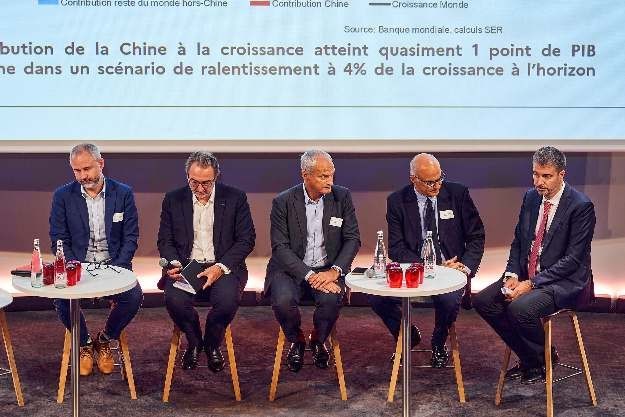
- Charles Billard - CFO Greater China - Sanofi
- Christian Gianella - Minister-Counsellor, Head of the Economic Service - French Embassy in China
- Olivier Schiller - CEO - Septodont
- Didier Véron - Chairman - G5 santé
- Benoit Rossignol - CEO - Shiyao investment
Moderator:
- Benoît Raoult - Co-founder and Managing Partner - Jumo Partners

There are still opportunities
Despite the current economic crisis in China, the long-term outlook for French companies remains promising. The Chinese economic slowdown is seen as a natural step in the process of convergence towards a developed economy. Even with annual growth of 4-5%, China will continue to make a significant contribution to global economic growth, accounting for around a third of it.

Long-term growth factors :
Human capital and urbanization: China h a s a vast reservoir of human resources. highly s k i l l e d workers, with over 10 million graduates entering the job market every year. The urbanization rate, currently at 66%, continues to rise, generating productivity gains and stimulating economic growth. Investment in research and innovation: China has made remarkable progress in the scientfic field, surpassing the USA in terms of high-quality publications in key areas such as biochemistry, genetics and neuroscience. This reflects a booming innovation ecosystem.
Current economic imbalances :
Over-investment and low consumption: China's economy is characterized by a high proportion of investment (around 43% of GDP) to the detriment of household consumption, which accounts for only 37-38% of GDP. This imbalance makes the economy vulnerable to shocks, such as the current real estate crisis. Crisis real estate and response policy : A significant drop of real estate investment has led to a significant economic slowdown. The policy response to date has been deemed inadequate to stimulate domestic demand and support a sustainable recovery.
Opportunities in the healthcare sector :
Potential growth: China's healthcare spending only accounts for 5.6 % of GDP, leaving plenty of scope for future increases. An aging population and rising life expectancy will increase demand for healthcare services, particularly for chronic and rare diseases. Positioning of French companies: French companies in the healthcare sector are well positioned to capitalize on this growth. Despite intense competition, they benefit from a reputation for quality and innovation. French pharmaceutical exports to China have increased, reinforcing the sector's importance to the French economy.
Challenges :
Regulatory complexity: The companies are face à of constraints complex regulatory frameworks, with market access procedures often opaque. Anti-corruption measures lack clarity, creating uncertainty and potentially hampering business operations. Pressure on prices: Chinese authorities impose price cuts This can affect profitability and requires strategic adjustments on the part of companies. This can affect profitability and requires strategic adjustments on the part of companies. Competition local increased : China invests massively in the development of its own innovation capabilities, which intensifies competition. Local companies are increasingly competitive, both in terms of quality and price. Risk geopolitical : The tensions and the uncertainties add a layer of complexity. Companies need to consider scenarios where disruptions could affect supply chains and market access.
Strategies for success in China :
Local production and partnerships: Considering local production can offer advantages, but requires careful risk assessment. Establishing strong partnerships with Chinese companies can facilitate market access and strengthen competitive position. Adapting to and understanding the market: It is crucial to understand specificities of the Chinese market, including business and cultural practices. Companies must be ready to adapt their business models and offerings to meet local needs. Collaboration and experience sharing: Taking advantage of existing networks, such as the Club Santé Chine, and collaborating with other French companies present in China can provide valuable support. Sharing information and experience helps to navigate a complex environment. Investing in people: Building strong relationships with local partners, authorities and customers is essential. These relationships can help manage complexity and ensure a lasting market presence.
Conclusion
China remains a key market for French healthcare companies. Despite the challenges, the opportunities for growth and development are substantial. A strategic approach, informed and adapted to local realities, will enable companies to overcome obstacles and take advantage of the potential offered by the Chinese market. It is essential to combine ambition and pragmatism, remaining aware of the risks while capitalizing on the unique assets that French companies can bring to the table.
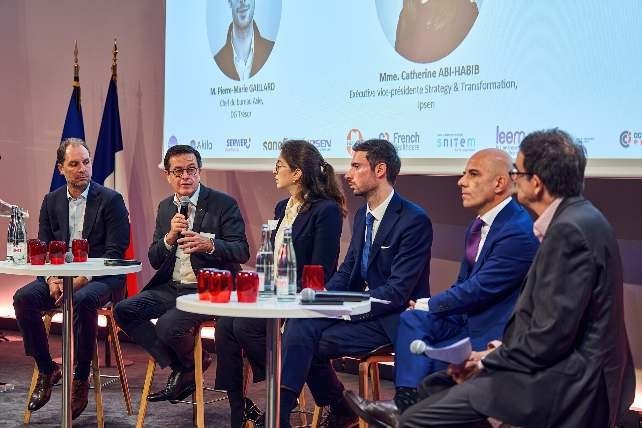
Round Table: The Right Level of Risk in China
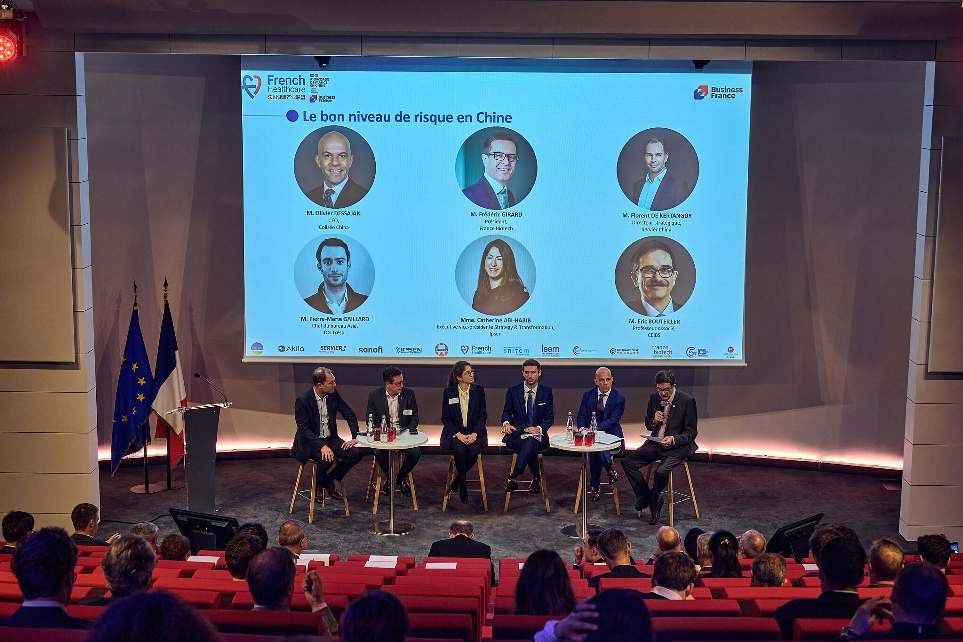
- Olivier Dessajan - CEO - Colisée Group China
- Frédéric Girard - Chairman - France Biotech
- Florent de Kertanguy - Strategic Director - Servier China
- Pierre-Marie Gaillard - Head of Asia, Americas & Africa Office - DG Trésor
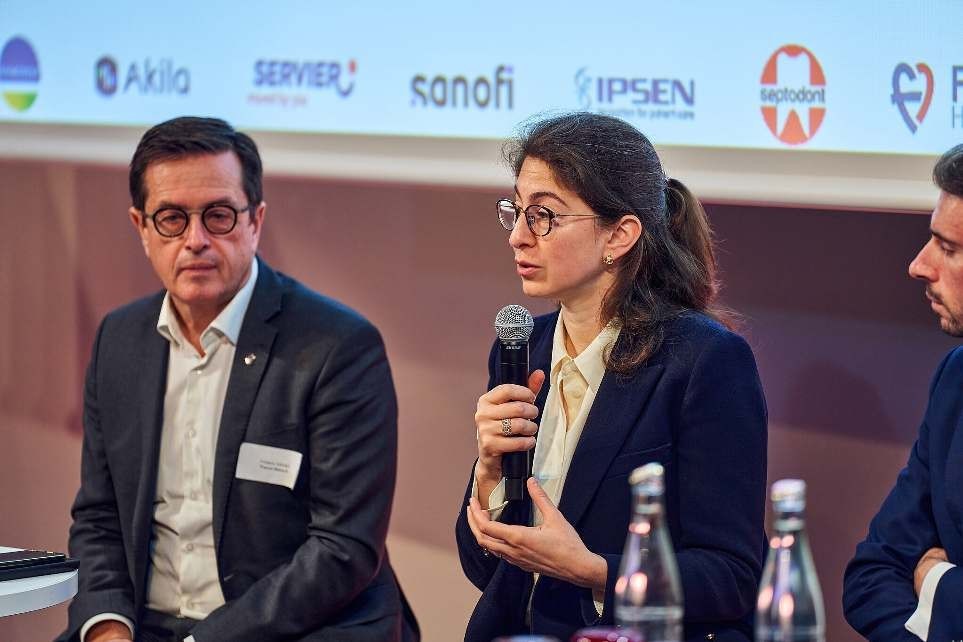
- Catherine Abi-Habib - Executive Vice-President Strategy & Transformation - Ipsen
Moderator:
- Mr Eric Boutellier - Associate Professor - CEBIS

The round table explored the risks and opportunities associated with French companies' involvement in China, emphasizing the need for a balanced approach in the face of a rapidly changing environment.
Background :
China has enjoyed spectacular economic success, becoming a major market with 300 to 400 million consumers with purchasing power comparable to that of Europeans. However, this attractive market is now associated with heightened risks, requiring in-depth analysis on the part of companies.
Four Identified Risk Levels :
- Geopolitical risks :
- Growing Sino-American tensions: Friction between the U.S. and China, particularly on sensitive issues such as Taiwan, the South China Sea and relations with other Asian countries.
- Impact on Europe: China often perceives Europe as a secondary player, limiting its influence. European companies need to be aware of this dynamic.
- Possibility climbing : The tensions could lead to of commercial or political disruptions affecting companies operating in China.
- China's Internal Economic Risks :
- Economic slowdown: Chinese growth is slowing, with government intervention in major companies creating a climate of uncertainty.
- Economic reforms: Economic policies can change rapidly, affecting foreign companies.
- Supply Chain Risks :
- Dependency on Chinese suppliers: Over-dependence can expose companies to disruption in the event of political tensions or regulatory changes.
- Necessary diversification: Companies should consider diversify sources of supply for reduce vulnerabilities.
- Regulatory and operational unpredictability :
- Policy changes: Laws and regulations can change rapidly, sometimes without notice, affecting planning and operations.
- Reinforced surveillance: Reinforced surveillance by the authorities can complicate daily activities. Bureaucratic complexity: Companies can face administrative hurdles and uneven application of regulations.
Approach of the French State and the European Union :
- De-risking strategy:
- Difference with the decoupling : Unlike à the Europe is seeking to reduce risks without cutting economic ties.
- Focus on critical sectors: The emphasis is on reducing dependencies in sectors vital to national security and the economy.
- Selective support: The French government will continue to support companies in China, but in a more targeted way, depending on alignment with national interests.
- Message to businesses:
- Risk analysis: Companies need to carefully assess risks and adapt their strategies accordingly.
- Working with the authorities: Proactive communication with French authorities can help navigate the regulatory landscape.
Opportunities Despite Risks :
- Importance of our presence in China :
- Risk of underexposure : Not being present in China can loss of opportunities in the face of global competition.
- Growth potential : China remains a major driver of global growth, with significant opportunities in various sectors.
- Key Sectors :
- Medical Innovation and Rare Diseases:
- Regulatory advances: China implements measures to accelerate access to innovative treatments for diseases rare.
- Business opportunities : Specialized companies can benefit from these developments, despite the challenges o f reimbursement and awareness-raising.
- Silver Economy (Ageing Population) :
- Favorable demographics : An aging population creates a very high demand for adapted products and services.
- Operational de s : Companies have to navigate in a complex regulatory framework and adapt to preferences while retaining their specific features.
- Innovation and Competition:
- Competition from Chinese companies: Local companies are investing heavily in innovation, particularly in biotechnologies, medical equipment and digital health.
- Need for investment : French companies must invest more in R&D and forge partnerships to remain competitive.
- Medical Innovation and Rare Diseases:
Operational Challenges and Adaptation Strategies :
- Relations with Headquarters :
- Convincing decision-makers: Chinese companies often have to explain market specicities to head office to obtain the necessary support.
- Increased communication: Bringing executives to China can help them better understand local realities.
- Local partnerships :
- Joint ventures (JVs): offer advantages, but also pitfalls governance, management and intellectual property risks.
- Partner selection: Thorough due diligence is essential for selecting suitable partners.
- Adapting to the local market :
- Cultural understanding: Adapting products and services to local preferences is crucial.
- Operational flexibility: Companies need to be ready to adjust their business models in line with market trends.
- Operational Risk Management :
- Efficient governance: Establish solid governance structures to manage JVs and local operations.
- Compliance : Stay informed of changes and ensure ongoing compliance.
Role of the French Authorities :
- Business support :
- Selective support: The French authorities offer support, particularly in resolving problems linked to discriminatory practices.
- Ongoing dialogue: Encourage companies to report problems so that they can intervene if necessary.
- Coordination with the European Union :
- Collective approach: Some issues are better dealt with at the for greater influence.
- Aligning policies: Working in coherence with EU initiatives for a unified strategy.
Conclusion
China remains a key market, rich in opportunities for French companies, particularly in the healthcare sector. Nevertheless, the current context calls for a more mature, re-echoed approach. Companies need to balance ambition and caution, taking into account geopolitical, economic and operational risks. A thorough understanding of the market, adaptation to local realities and close collaboration with French and European authorities are essential to successfully navigate this complex environment. It's all about finding the "right level of risk" to capitalize on China's potential, while protecting strategic and commercial interests.
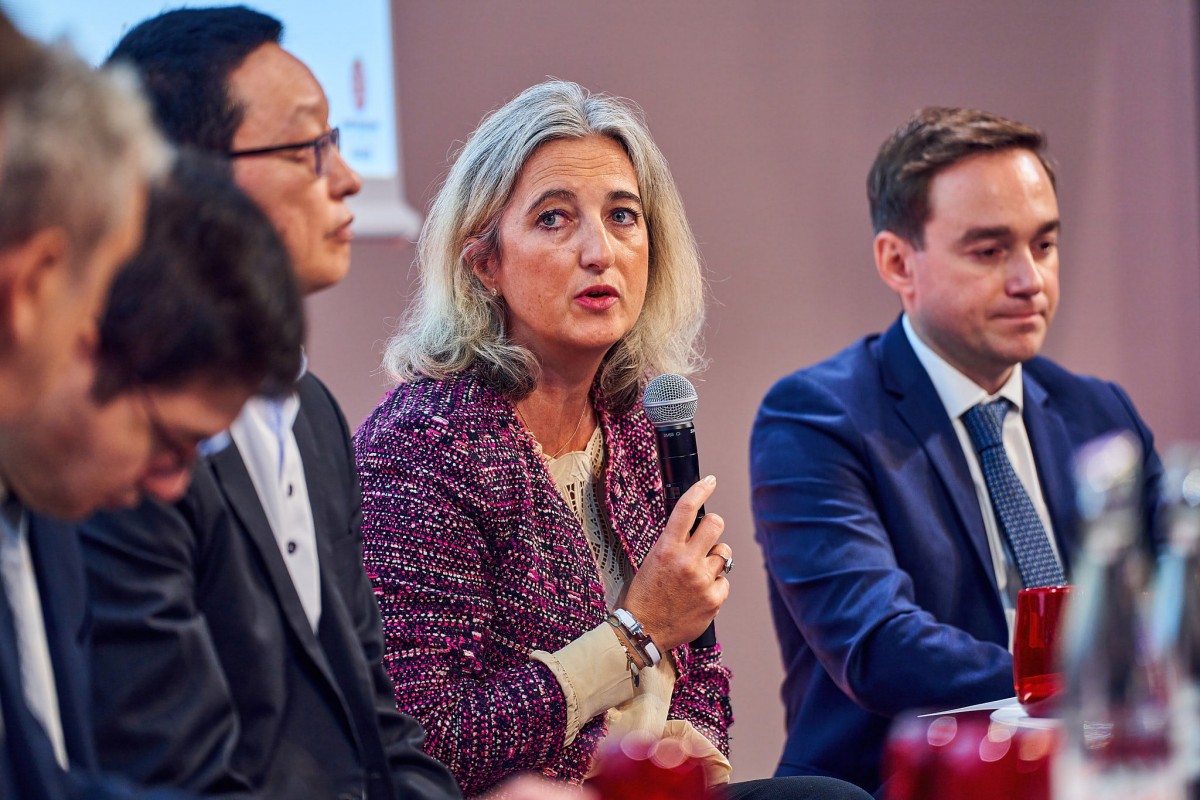
Round Table: Lessons from Business in China
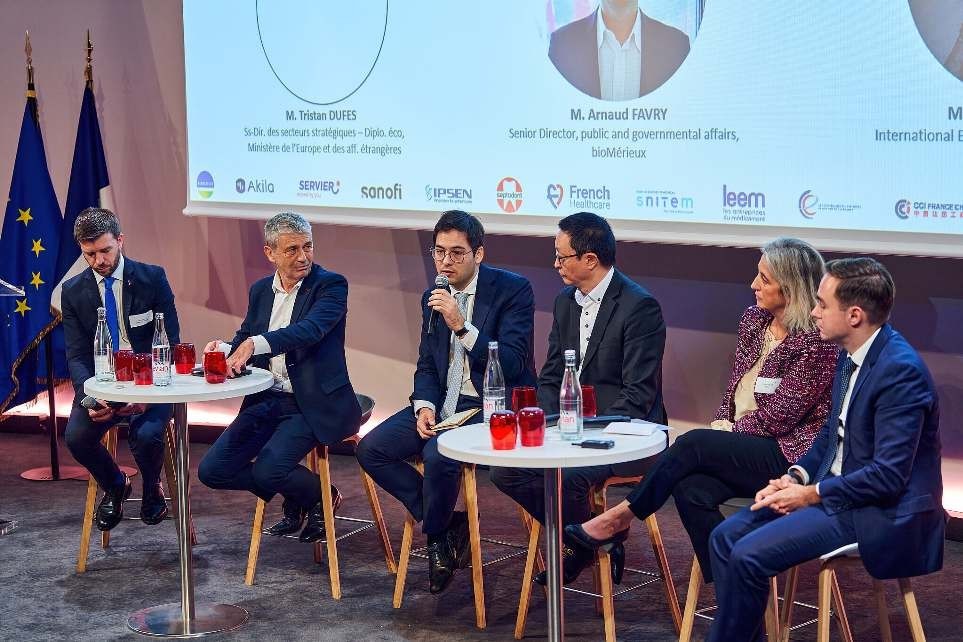
- Delphine Poulat - Founder and CEO - Euris
- Charles Bark - CEO & Founder - HiNounou
- Philippe Obry - Vice-Chairman - Akila
- Tristan Dufès - SS-Dir, strategic sectors - Diplo. éco. of the Ministry of Europe and Foreign Affairs
- Arnaud Favry - Senior Director, public and governmental affairs - bioMérieux
Moderator:
- Benoit Derinck, International Business Development Manager - Thuasne

The round table explored lessons learned by French companies operating in China, focusing on efficient strategies and opportunities offered by the Chinese market. Participants shared their varied experiences, covering areas such as location, innovation, choosing partners and adapting to post-COVID market changes.
Location and siting strategies :
- Being in China for China: Localization is essential to meet the requirements of the Chinese authorities and to compete in the local market. This includes the establishment of manufacturing, training and sales sites. R&D in China.
- Strategic acquisitions: Acquiring Chinese companies enables access specific market segments, such as mid-level hospitals, by offering products adapted to local needs. Reverse Innovation: Products developed in China can be used to penetrate other emerging markets, notably in South-East Asia, by offering adapted and competitive solutions.
- Relations with the authorities: It is crucial to develop relationships with the Chinese authorities, aligning the company's activities with the country's public health priorities and maintaining transparent communication.
Impact of COVID-19 and Business Resumption :
- Strengthening customer relations: Companies that have remained in China during the pandemic were able to strengthen confidence with their customers, demonstrating their commitment despite the difficulties. Team adaptation: The crisis has necessitated a reconfiguration of local teams, offering the opportunity to attract new talent, particularly in the IT field. Agility and Patience: China demands both responsiveness and long term vision, requiring constant adaptation to rapid market changes. Choice of Partners and Business Models : Importance of Customer Partnership: Accompanying existing customers in their development in China can facilitate market entry and ensure a solid base for operations.
- Rigorous due diligence: Selecting the right local partners is the key to success. crucial. Their size, reputation and potential must be carefully assessed to avoid partners becoming competitors.
- Chinese Partner Ecosystem: To access the local market, it may be necessary to rely on a network of Chinese partners, particularly for technology or innovative companies.
Innovation and Technological Development :
- Innovation-friendly environment: China's ecosystem dynamic and competitive environment that fosters rapid innovation, particularly in the fields of digital technology, AI and genomics.
- Adapting products and services: Companies need to adapt their offerings to local usage, integrating Chinese technological solutions and meeting consumer expectations in terms of digitalization.
- Protection of Intellectual Property: Despite the opportunities, the Concerns about intellectual property protection may lead companies to be cautious about bringing their most innovative technologies to China.
Adaptation and Development Strategies :
- Strategic agility: Establishing long-term plans can be difficult in China due to the unpredictability of the market. Companies must be ready to adjust their strategies to changing circumstances.
- Diversification and risk mitigation: To mitigate risk, it is important to diversify activities, talent and R&D capabilities, balancing operations between China and other markets.
- Understanding Local Regulations: Laws and regulations in China can change rapidly, particularly in the areas of cybersecurity and data management. Companies need to stay informed and reactive to ensure compliance.
Key lessons and recommendations :
- Humility and Excellence: China demands a humble but effective approach ambitious. Companies must strive for excellence to stand out in a highly competitive market.
- Importance of Local Innovation: Investing in innovation in China can open up new opportunities and enable the development of unique solutions that can be deployed in other markets.
- Collaboration and experience sharing: Participating in networks such as Club Santé Chine or French Healthcare enables you to benefit from collective experience, exchange best practices and adapt more efficiently to local specificities.
- Alignment with Public Policy: Working in harmony with the priorities of the Chinese government, while maintaining links with French and European authorities, can facilitate operations and strengthen the company's position.
Conclusion
China remains a key market for French companies, offering immense potential but also significant challenges. The lessons learned underline the need for an adapted approach, combining localization, innovation, strategic choice of partners and agility in the face of market evolutions. By incorporating these lessons, companies can not only succeed in China, but also enrich their global development by drawing on the unique opportunities this market offers.
Conclusion of the China Business Conference
- Mr. Jean Pierre Boffy - President - French Healthcare Association

- Mr Jérôme WEINBACH, deputy delegate for euro. and sec. affairs, social ministries

The conference highlighted the crucial importance of China as an essential market for French companies in the healthcare sector. Despite a certain hesitancy on the part of some SMEs to enter this market, it was emphasized that the opportunities offered by China are significant and cannot be ignored.
Promoting French Excellence in Healthcare:
- France's strengths: France benefits from an image o f excellence in We are a leading international healthcare company, with recognized skills and a unique approach to business, focused on social and sustainable values. This "French Touch" in the way we do business is a key differentiator. in the face of international competition. Leveraging the French Ecosystem: It is essential to take advantage of the French ecosystem, which includes private, public and institutional players, to meet the challenges of the Chinese market. Collaboration between start-ups, SMEs and major pharmaceutical groups helps to pool talent and strengthen France's presence in China.
- Collective action: Working together, as a team, is crucial to tackling efficiently the Chinese market. Structures such as the French Healthcare Alliance China play a key role in promoting French excellence and facilitating partnerships.
Common Challenges and Opportunities for Cooperation
- Shared challenges: France and China face similar challenges, such as aging populations, the emergence of chronic diseases and health inequalities.
- Global approach to health: Health cooperation must take into account global issues such as climate change, demographic transition, gender equality and sustainable development. Health can no longer be approached solely from the health angle, but must be linked to all global issues.
- Public-Private Synergies: Synergies between public action and the private sector are essential if we are to respond to global healthcare challenges in a coherent and efficient manner. Private-sector players are encouraged to play a full part in this collaborative dynamic.
French Global Health Strategy:
- New strategy 2023-2027: France has launched a new global health strategy, aimed a t tackling health challenges in relation to all global issues, and promoting values, expertise and know-how. French.
- Objectives: Achieve the Sustainable Development Goals by 2010 2030, reduce health inequalities and strengthen international cooperation in healthcare.
Putting one foot in China to understand the future:
- Strategic position: Our presence in China gives us a front-row seat for understanding future global investment trends, including those outside China.
- Bridge to other emerging markets: Presence in China offers unique perspective on the development of other expanding markets, such as Africa. This enables French companies to better anticipate and position themselves in these growth markets.
Final conclusion
The conference reaffirmed the importance of China in the international strategy of French healthcare companies. Despite the difficulties, it is crucial to seize the opportunities offered by the Chinese market by building on French excellence, collaboration and a global approach that integrates major global issues. By working together, public and private players can strengthen the ties between France and China and make an efficient contribution to improving global health.